
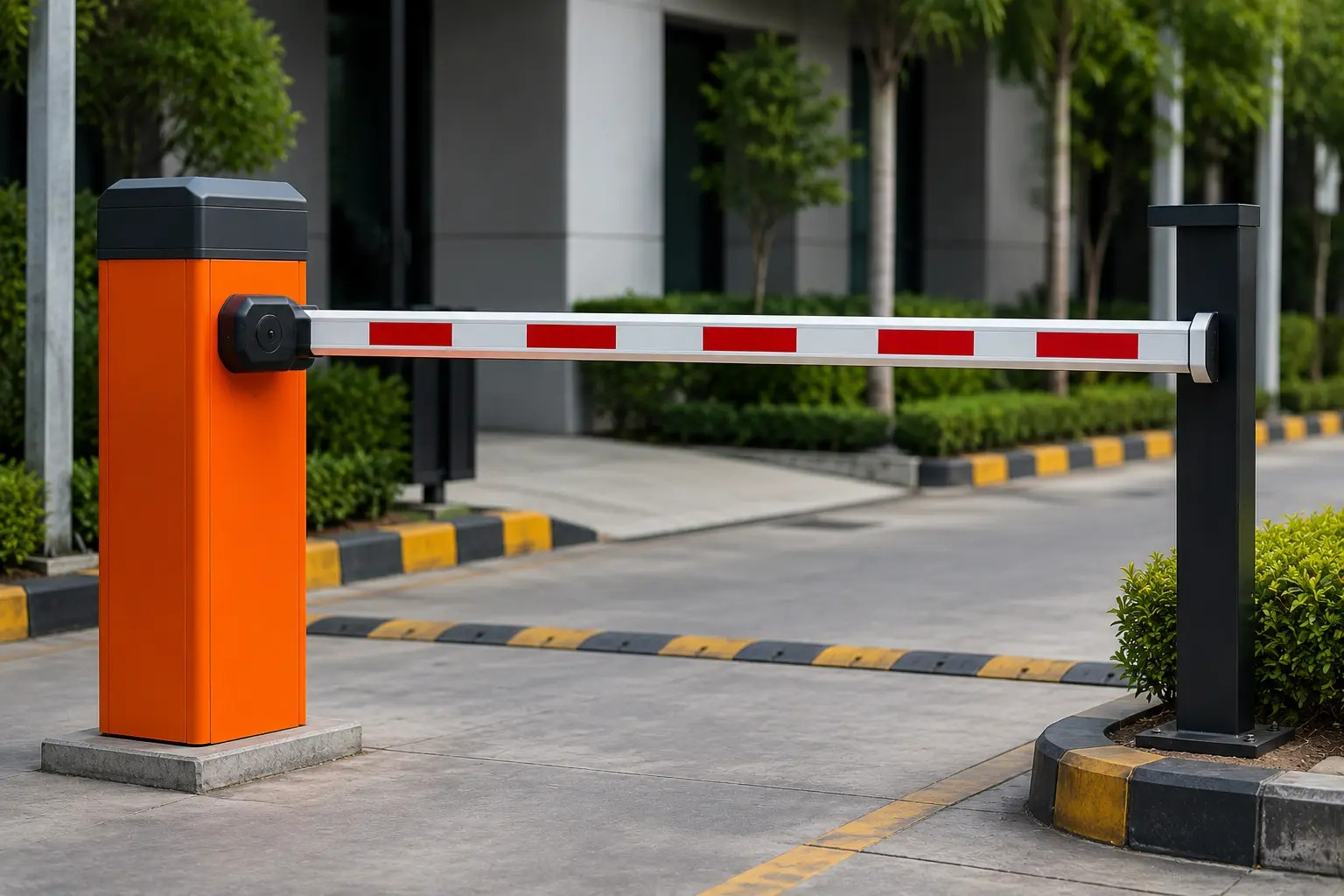
Boom barriers, also known as barrier gates, are essential tools for managing vehicle access in places like commercial buildings, parking lots, industrial sites, and gated communities. They not only control who can enter and exit but also improve security, streamline traffic, and boost operational efficiency. Choosing the right boom barrier is important for ensuring reliability, safety, and long-lasting performance. This blog outlines the main features and factors to consider when picking a boom barrier.
Material and Build Quality
The durability of a boom barrier mainly relies on its material and how well it is built. High-quality steel, aluminum, or stainless steel parts provide strength, resist corrosion, and last longer, especially outdoors in harsh weather. The barrier arm should be lightweight but strong enough to bear repeated operations. Anti-rust coatings and powder-coated finishes would reduce wear and tear and provide visual appeal.
Types of Boom Barrier Arms
Boom barriers have various arm types to meet different needs. Here are a few examples:
- Straight Arm: This common type works well for standard open parking lots and low-traffic areas.
- Articulated or Folding Arm: This design is ideal for low-ceiling entrances or small spaces because it folds when in use.
- Telescopic Arm: This arm can be adjusted in length, making it suitable for wide entryways or areas with varying lane widths.
The correct arm type allows the boom barrier to operate without wearing out the parts.
Speed and Efficiency of Operation
The opening and closing speeds of boom barriers are an important factor, especially in high-traffic situations. Fast-operating barriers reduce waiting times and prevent backlogs. However, very fast operation may compromise safety. Most modern boom barriers have variable-speed options. This allows a balance to be achieved between efficiency and safety. Look for barriers with motors that have a high cycle. They should be able to operate frequently without overheating or burning out quickly.
Automation and Control Options
Today’s boom barriers work well with access control systems. They enhance security and convenience. These barriers support the following features:
- Remote Control Access: This simplifies operations for parking attendants or security personnel.
- RFID and Proximity Sensors: These let authorized vehicles pass safely without visible intervention.
- Integration with Parking Management Systems: This enables automatic ticketing, payment processing, and real-time monitoring.
- Manual Override Functionality: This is helpful during power failures or system breakdowns. It ensures that the barriers can still be controlled.
Choosing a barrier that supports different control methods increases reliability, boosts security, and ensures smoother operation.
Safety Features
Safety is one area a boom barrier should never overlook. Basic safety features include:
- Safety Loops and Sensors: These prevent the barrier from closing on cars or people.
- LED Indicators: They provide a visual alert for oncoming drivers.
- Emergency Stop Mechanism: This quickly stops the barricade’s operation if needed.
- Impact Resistant Design: It reduces damage from accidental collisions.
Installing these features saves lives and keeps the barrier reliable.
Weather Resistance and Environmental Conditions
Boom barriers placed outdoors experience various weather conditions, including rain, heat, humidity, and dust. IP-rated models can seal and protect their internal parts from water and dust. UV protection helps stop discoloration and damage to materials exposed to sunlight for long periods. If the barrier is close to the coast, it’s important to use materials that resist rust from the high salt in the air.
Maintenance Requirements
A good boom barrier should work with minimal maintenance. Key factors include:
- Easy access to the motor and control units for routine servicing.
- Availability of spare parts and service support.
- Self-lubricating parts that decrease mechanical wear.
- Diagnostic features for quick troubleshooting.
Choosing a low-maintenance and durable barrier that you can rely on lowers downtime and operational costs.
Power Supply and Backup Options
Continuous power supply is crucial for the proper operation of the boom barrier. Look for barriers that offer:
- Low Power Consumption Motors: These motors use less electricity, which saves energy and cuts costs.
- Battery Backup System: This lets the barrier keep working even without electricity, so it won’t stop during a power outage.
- Solar-Powered Options: This is ideal for remote area installations or environmentally focused setups.
Reliable power options in boom barriers ensure there are no interruptions in security operations.
Aesthetics and Customization
While functionality is important, boom barriers should also be visually appealing, especially in commercial or public spaces. Many barriers provide choices for customizable colors, designs, and arm patterns that match their surroundings. Including LED strips or reflective tape helps with nighttime visibility and improves the overall appearance. A well-designed barrier enhances security and adds character to the facility.
Choose The Right Boom Barrier With Glidemaster
Choosing the right boom barrier involves several factors. These include structural strength, automation features, safety systems, operational efficiency, and how well it fits with its surroundings. By focusing on material quality, speed, responsiveness, control options, weather resistance, and maintenance needs, you can secure reliable access management and consistent operational performance. Glidemaster provides top-notch boom barriers, automatic shutters, and automatic gates built to meet these standards. Our product offers security through smart design, strong construction, and adaptable features for commercial, industrial, and residential properties.