
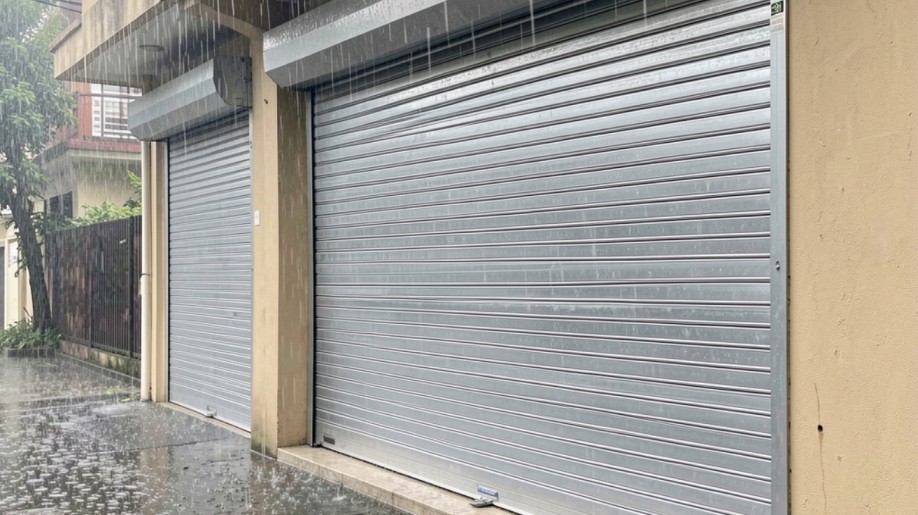
The monsoon season brings all the essential rain, but it also creates challenging conditions for automated infrastructure, particularly automatic rolling shutters. Constant exposure to moisture, strong winds, changes in power supply, and flying debris increases the chance of failures. In regions with extended rainy periods, shutters may operate several times each day in wet conditions, which leads to quicker wear and tear.
Businesses like retail shops, warehouses, factories, parking facilities, and homes rely on automated shutters for security and convenience. When these systems fail during the monsoon, it can create safety risks, downtime, and high repair costs. Unexpected shutter breakdowns can interrupt business hours and endanger customer safety. By understanding the common causes of shutter failures in the monsoon and taking preventive measures, property owners can avoid surprises and prolong the life of their equipment.
Water Seepage into Motor and Control Panel
One of the most common reasons for shutter problems during rainy months is water getting into electrical parts. Rainwater can enter through poorly sealed motor housings, damaged covers, or incorrectly installed control panels. Even small gaps around wiring entry points can let moisture build up over time.
This can result in:
- Electrical short circuits
- Motor overheating or burnout
- Failure of control boards
Warning signs include:
- Shutter stops midway during operation
- Slow or delayed response to commands
- Complete loss of motor function
In areas with heavy rainfall or near the coast, it is important to invest in weatherproof motor enclosures and well-sealed control units. This will help prevent ongoing electrical damage.
Rust and Corrosion of Mechanical Components
Humidity speeds up corrosion in metal parts such as:
- Guide rails
- Springs
- Roller shafts
- Bearings
Even minor rust buildup raises friction, causing the motor to work harder. Over time, this extra strain can lead to mechanical failure or motor burnout. Corrosion can weaken structural integrity. This makes shutters less stable during strong winds.
Common signs of corrosion include:
- Slight grinding noise during movement
- Reduced smoothness in shutter operation
- Visible rust patches on rails or springs
Routine inspection and anti-corrosion treatment can prevent costly replacements later.
Power Fluctuations and Electrical Supply Issues
Monsoon storms cause voltage changes, sudden outages, and an unstable power supply. These electrical problems can damage parts of the shutter system. These include:
- Control panels and circuit boards
- Remote receivers
- Sensors and limit switches
Installing surge protectors, voltage stabilizers, and proper grounding will make the system more reliable and reduce electrical risks. It is important to install backup power systems so that operations can continue during outages.
Blocked or Misaligned Guide Rails Due to Debris
Shutter tracks can become blocked when debris causes guide rail misalignment. The shutter tracks collect debris from rainwater, which includes:
- Mud and silt
- Leaves and organic waste
- Sand and small stones
Waterlogging can misalign the rails, leading to inconsistent movement. If this issue is ignored, it can result in permanent rail deformation. Common effects of this situation include:
- Jerky shutter operation
- Unusual scraping sounds
- Shutter getting stuck
To keep everything running, it is important to clean the rails, especially after heavy rains.
Increased Motor Load and Overheating
Shutters can experience motor overload when they face increased resistance. The motor consumes more power when shutters encounter extra resistance from rust, dirt, and moisture absorption. This added load becomes noticeable over time as it slowly reduces the motor’s efficiency. This leads to:
- Motor overheating
- Internal component wear
- Eventual motor failure
The motor gets damaged due to permanent power overload caused by long-term strain from repeated temporary overloads that first result in short-term malfunctions.
Poor Installation and Low-Quality Components
Shutters installed without proper drainage planning are especially at risk during the monsoon. Low-quality motors or poor materials often do not have enough moisture resistance.
Common problems include:
- Improper sealing around the motor housing
- Non-weatherproof wiring systems
- Inferior coatings that corrode quickly
Investing in high-quality, monsoon-rated shutter systems is often more cost-effective over time. Professional installation ensures correct alignment, sealing, and long-term reliability.
Lack of Pre-Monsoon Maintenance
The system needs maintenance before the monsoon season begins. Shutter maintenance is vital because proper upkeep must be done before the rainy season for them to work well. Make sure you check the following tasks:
- Lubrication of moving parts
- Inspection of electrical connections
- Checking waterproof seals
- Cleaning guide rails
A pre-monsoon maintenance check identifies weak points in the system. This helps prevent expensive emergency repairs and major disruptions. Regular scheduled maintenance also boosts safety and ensures operations run smoothly.
Sensor and Safety System Failures
The functioning of automatic shutters depends on safety sensors, limit switches, and obstruction detection systems. Excess moisture affects these components, leading to:
- False obstruction alerts
- Shutter reversing unexpectedly
- Complete sensor failure
This can cause performance issues and safety risks in commercial spaces where shutters are used constantly.
How to Prevent Rolling Shutter Failures During Monsoon
The following pre-monsoon steps can lower the chance of shutter failures during the monsoon:
- Ensure proper waterproof sealing of the motor and panels
- Inspect and insulate electrical wiring
- Clean guide rails and remove debris
- Apply anti-rust lubrication
- Install surge protection devices
- Choose weather-resistant motors and components
Many businesses opt for an Annual Maintenance Contract (AMC) for regular servicing and priority repair support throughout the year. Preventive care greatly reduces downtime.
When to Call a Professional
While you can take care of small cleaning or lubrication tasks on your own, some situations need a professional. Contact an expert if:
- The motor stops repeatedly
- You notice an electrical burning smell or see sparks
- The shutter alignment changes noticeably
- The sensors often malfunction
- Water has entered the control panel
Getting a professional inspection on time can help prevent serious damage and ensure safety. Certified technicians can also spot hidden problems before they get worse.
Protect Your Rolling Shutters This Monsoon
Automatic rolling shutters are designed to last, but monsoon conditions bring unique mechanical and electrical issues. Water entry, rust, power fluctuations, debris buildup, and lack of maintenance are some main reasons shutters fail during this period. Glidemaster’s shutters are built to withstand these challenges with quality materials and professional installation.
Taking proactive steps, such as proper installation, regular maintenance, and prompt professional servicing, can greatly lower the risk of breakdowns. By getting shutters from Glidemaster make you ready before heavy rains start, businesses and homeowners can ensure consistent security, smooth operations, and save money over time. Preventive care today often prevents significant repair costs later on.