
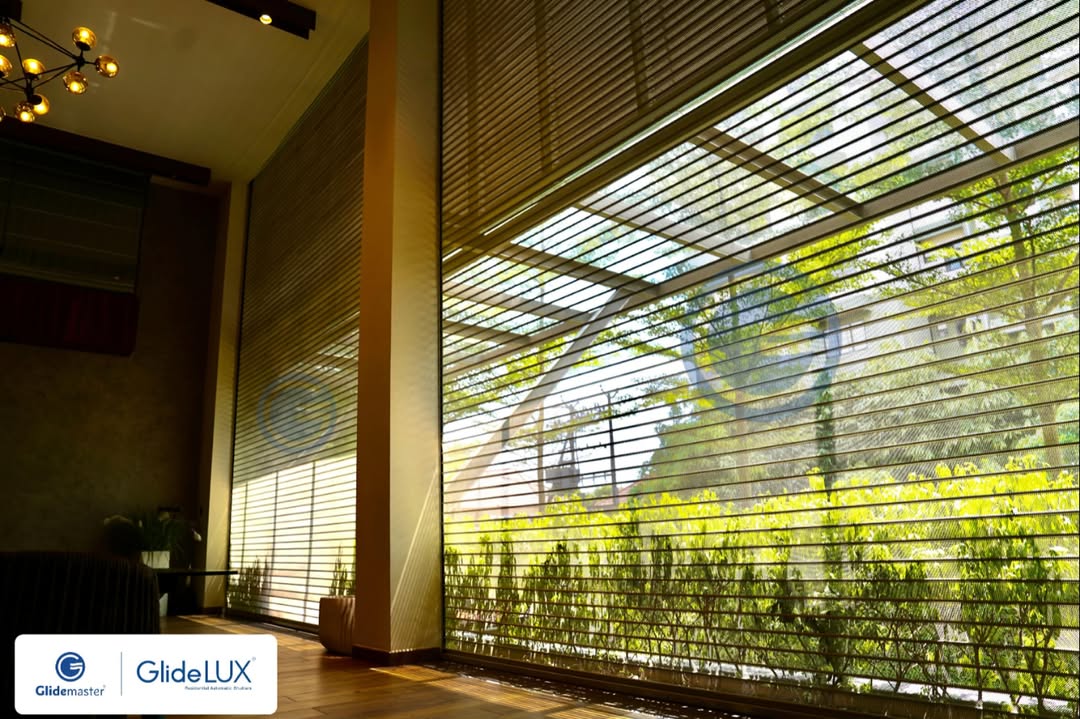
Rolling shutters have always been considered a robust security option for commercial establishments. They also enhance insulation and style for homes, shops, and offices. But the choice of the material for the shutters would make a huge difference to the proper functionality.
Aluminium and polycarbonate are the widely used materials for rolling shutters. Which among them should you prioritise for the best performance standards? We will analyze the benefits and disadvantages of the two material options.
What Are Aluminium Rolling Shutters?
Obviously, aluminium rolling shutters are made using aluminium as the raw material. Use lightweight alloy slats, often Alloy 6063-T6, for smooth operation and resistance to rust in humid climates like that in India.
The material offers the best thermal insulation by reflecting heat, reducing energy costs, and comes in customizable powder-coated colors for modern aesthetics. It has been considered to be an ideal option for garages, retail fronts, and coastal areas. They also balance strength and ease of installation.
Pros and Cons of Aluminium Shutters
Pros
- High corrosion resistance and low maintenance in wet environments.
- Lightweight design eases motorized or manual use, extending motor life.
- Excellent thermal and noise insulation for energy savings.
- Durable against weather with good wind resistance
Cons
- Can dent under heavy impact, less secure than steel for high-risk spots.
- Higher upfront cost than basic materials, though long-term value is strong
What Are Polycarbonate Rolling Shutters?
The polycarbonate rolling shutters offer transparent, impact-resistant plastic panels that secure while allowing visibility and natural light. The polycarbonate shutters do not fade or lose their shine. They are an excellent option for showrooms and boutiques needing display security without blocking views.
These shutters are framed in aluminium. Thus, they also provide a shatterproof protection that is quite superior to glass.
Pros and Cons of Polycarbonate Shutters
Pros
- Transparency maintains light flow and aesthetics for retail displays.
- Exceptional impact strength resists break-ins and weather extremes.
- Sound insulation and low maintenance enhance urban living
- Lightweight for easy automation.
Cons
- Higher cost, often 1.5-2x aluminium per square meter.
- Not fire-resistant, limiting commercial kitchen use.
- Slightly lower overall security than solid metals in extreme threats.
Key Comparison: Aluminium vs Polycarbonate Rolling Shutters
The table below gives a bird’s eye view of the differences between the aluminium and polycarbonate rolling shutters.
| Feature | Aluminium | Polycarbonate |
| Durability | High rust/wind resistance | Impact/UV resistant |
| Security | Good, dents possible | Strong, transparent |
| Visibility | Opaque | Full transparency |
| Insulation (Thermal/Noise) | Excellent | Good sound, moderate thermal |
| Weight | Lightweight | Very lightweight |
| Best For | Garages, homes, and general security | Shops, showrooms |
| Maintenance | Low | Minimal |
Durability and Weather Resistance
Aluminium withstands corrosion and humidity efficiently. It does not rust or fade. That would make it an excellent option for monsoon-prone India. Polycarbonate resists UV fading, cracking, and impacts better than glass and handles storms effectively.
Security and Safety Features
The aluminium provides a solid resistance against burglary. However, it may deform under force. The shatterproof nature of the polycarbonate deters any sort of vandalism. It also offers a better viewability.
Cost Breakdown and Value
Aluminium will cost less initially. The strong durability ensures a better return on your investment. The cost of polycarbonate would be considerably higher. But the performance is justified, thanks to the visibility that it offers.
Aesthetic and Customization Options
The aluminium shutters blend seamlessly with any background. They also allow for custom designs. The aluminium shutters would work best for offices as they help manage privacy better.
Polycarbonate offers crystal-clear panels or tinted variants for branded displays. That can go a long way in improving the curb appeal of the high street shops. Of course, both aluminium and polycarbonate support better branding.
Installation and Maintenance
When it comes to the installation, both of them offer similar functionality. As for maintenance, aluminium is known for a low need for the same. You can simply clean it up with soap. However, polycarbonate would need UV checks.
As you can clearly see from the above comparison, aluminium beats polycarbonate in many areas. However, if you are looking for style and visibility, a polycarbonate rolling shutter should be the ideal choice.
Aluminium is the best choice for a budget-friendly option. It offers highly insulated security for homes and warehouses. On the other hand, polycarbonate is a perfect choice for retail businesses. It provides stylish, light-permeable protection.
Before you choose any of them, make sure to assess the exact requirements of your security, climate, and budget.
The Right Shutter, The Right Choice With Glidemaster
For rolling shutters, aluminium offers better reliability and cost-effective shielding. However, the polycarbonate shutter provides a truly innovative transparency. The choice between a polycarbonate and aluminium shutter typically relies upon the preferences you may have.
If you are unable to make a choice between the two, partner with an expert like Glidemaster, who can help you make the right decision when it comes to automatic shutters. We provide high-quality automatic rolling shutters across India.
Secure your property with Glidemaster’s today!